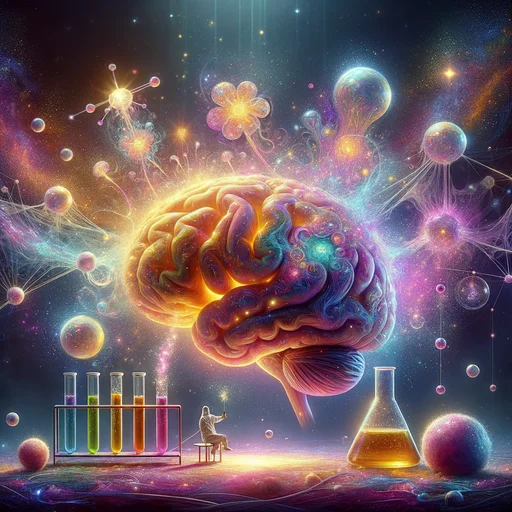
It turns out there's serious science behind this age-old wisdom—so serious, in fact, that researchers have given it a fancy name: gelotology (from the Greek gelos, meaning laughter). When you laugh—truly laugh, not just polite chuckle—your body undergoes a cascade of physiological changes.
The Neuroscience of Ha-Ha-Ha
What happens in your brain when something strikes you as funny? Let's trace the neural pathway of a punchline:
- Detection: Your left hemisphere processes the words and setup of a joke.
- Surprise: Your right hemisphere recognizes the unexpected twist.
- Get It! Your prefrontal cortex connects the dots and "gets" the joke.
- Reward: Your limbic system floods with dopamine—the pleasure chemical.
- Expression: Motor regions trigger the physical response: the laugh!
Whole-Brain Workout
Humor is one of the few activities that engages both brain hemispheres simultaneously. The left side handles the logical/linguistic components, while the right side processes emotional and creative elements. A good laugh is literally a full-brain experience!
The Chemistry of Comedy
When you laugh, your brain releases a cocktail of beneficial chemicals:
- Endorphins: Natural painkillers that create feelings of euphoria
- Dopamine: The reward chemical that makes you feel good
- Serotonin: Mood stabilizer that promotes well-being
- Oxytocin: The bonding hormone released during shared laughter
Measurable Health Benefits
Laughter's effects aren't just feel-good fluff—they're measurable and significant:
Minutes of laughter = 10-min workout
Increase in blood flow from laughter
Reduction in cortisol after laughing
Muscles engaged in a belly laugh
Cardiovascular Benefits
Research from the University of Maryland found that laughter causes the endothelium (the inner lining of blood vessels) to expand, increasing blood flow. This is similar to the effect of aerobic exercise! Meanwhile, stress causes blood vessels to constrict.
Pain Management
The endorphin release from laughter has been shown to increase pain tolerance by up to 10%. Hospitals that incorporate humor programs report patients requiring less pain medication. (Though please don't skip your meds for comedy specials—ask your doctor!)
"A clown is like an aspirin, only he works twice as fast." — Groucho Marx (who clearly understood laughter medicine)
Types of Laughter
Not all laughs are created equal! Researchers have identified different types of laughter, each with its own triggers and effects:

Genuine Laughter
Spontaneous, uncontrolled response to humor

Social Laughter
Builds bonds. 30x more common in groups!

Nervous Laughter
Stress relief mechanism. Diffuses tension.

Contagious Laughter
Mirror neurons cause us to catch laughter from others
You're 30 times more likely to laugh in the presence of others than when alone. Laughter evolved primarily as a social bonding mechanism. Even "laughing at" something alone often involves imagining sharing it with others!
Laughter Yoga: Yes, It's a Real Thing
Developed by Dr. Madan Kataria in 1995, Laughter Yoga combines simulated laughter exercises with yogic breathing. The wild discovery? Your body can't tell the difference between fake and real laughter—it produces the same physiological benefits!
- Greeting Laughter: Walk around greeting imaginary people with handshakes and hearty "ha-ha-ha" laughs.
- Gradient Laughter: Start with a smile, then a chuckle, building to a full belly laugh.
- Lion Laughter: Stick out your tongue, widen your eyes, stretch your hands like claws, and laugh-roar!
- Milkshake Laughter: Pretend to pour two cups of laughter into one, then drink the "laughter milkshake."
Practical Humor Prescriptions
Ready to add more laughter to your life? Here's your prescription pad:
Daily Doses
- Morning Meme: Start your day by looking at something funny before checking news or email.
- Comedy Commute: Listen to comedy podcasts or funny audiobooks during travel time.
- Laugh Lunch: Share a funny story or joke during meals with others.
- Evening Wind-Down: Watch a comedy show instead of drama before bed.
Social Prescriptions
- Plan regular "funny movie nights" with friends
- Join a comedy improv class (even as a beginner!)
- Create a group chat dedicated only to sharing memes and jokes
- Attend live comedy shows—laughter is more contagious in person
The Emergency Laugh Protocol
When stressed: Stop. Take a deep breath. Force a smile (even a fake one). Let out a "ha-ha-ha" (even if forced). Your brain can't tell the difference, and the physical act begins shifting your chemistry immediately!
Laughter as Stress Armor
Perhaps the most powerful application of laughter is its ability to combat stress. Here's how laughing creates a protective buffer:
- Cortisol Crusher: Laughter directly reduces the stress hormone cortisol.
- Tension Release: Physical act of laughing relaxes muscles for up to 45 minutes.
- Perspective Shift: Humor helps reframe stressors as less threatening.
- Social Support: Shared laughter strengthens relationships, building support networks.
- Bookmark 3-5 videos that always make you laugh
- Save funny voice memos from friends
- Keep a folder of memes that hit just right
- Have a go-to funny memory you can replay mentally
"We don't laugh because we're happy—we're happy because we laugh." — William James, Father of American Psychology
- Laughter engages both brain hemispheres—a full-brain workout
- 10-15 minutes of laughter equals a 10-minute workout
- Fake laughter produces the same benefits as real laughter
- You're 30x more likely to laugh with others than alone
- Build an "emergency humor kit" for stressful moments

Research & Sources
Peer-reviewed science backing these insights